Web vs App — Which Is Better for a Free Anonymous Chat Experience
Choosing where to launch a free anonymous chat depends entirely on your current device, availability, and need for instant accessibility. The technical architecture of a platform dictates not just how fast you connect, but also how much of a digital footprint you leave behind. While some individuals prefer the absolute convenience of a desktop browser window, others seek the optimized performance of dedicated mobile software. Both ecosystems have evolved significantly, offering distinct structural advantages tailored to different user behaviors. Understanding these differences allows you to align your private communication habits with the proper technological environment.
The Web Version and Zero-Footprint Access
The web browser remains the most resilient medium for private online communication due to its instant, frictionless access. Launching a session from a standard browser requires no installation, no storage allocation, and no-account creation. This setup represents the purest form of digital data minimization, as closing the browser tab effectively purges the active session from your immediate view. For individuals utilizing shared computers or those who simply do not want another icon on their screen, the web portal provides an immediate gateway to global conversations. However, browser-based platforms often struggle with background execution, meaning you cannot easily receive alerts if you navigate away from the active window.
Mobile Applications and Enhanced Usability
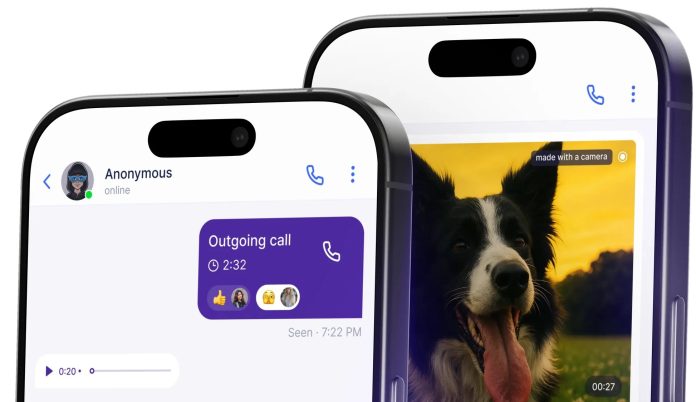
Native mobile applications counter the simplicity of the web by offering superior interface stability and deeper system integration. Software designed specifically for Android or iOS platforms handles multimedia sharing, such as high-resolution photos and voice messages, with far greater efficiency than a standard mobile browser. Furthermore, mobile apps allow for background processing, ensuring that your connection remains stable even when multitasking on your device. The primary challenge within the app ecosystem involves navigating the strict, ever-changing guidelines of major digital storefronts. To maintain compliance with these corporate policies, platforms frequently modify their application names or redirect users to specialized alternative versions in the app stores.
Comparative Framework of Communication Mediums
To determine which environment best suits your daily routine, it is helpful to analyze how key operational features behave across both systems. Users generally weigh the following technical and practical trade-offs:
- The speed of initial entry, where the web model wins by eliminating download and installation phases entirely.
- The stability of multimedia transmission, which is consistently optimized through native mobile hardware access.
- The persistence of contact networks, as mobile applications excel at maintaining background notifications for pending friend requests.
- The depth of personal privacy, given that web browsing leaves fewer permanent traces within a device’s internal storage system.
Aligning Platform Choice with Personal Intent
Ultimately, the decision between utilizing a web portal or a mobile application comes down to your personal engagement style. If your goal is a quick, completely untraceable desktop session during a evening break, the browser version offers the ultimate level of convenience. Conversely, if you intend to use the platform’s system to build a list of digital friends and engage in ongoing voice communication, a native app provides the necessary technical infrastructure. Reliable modern communication services ensure complete feature parity across both options, leaving the final choice entirely to your situational needs.