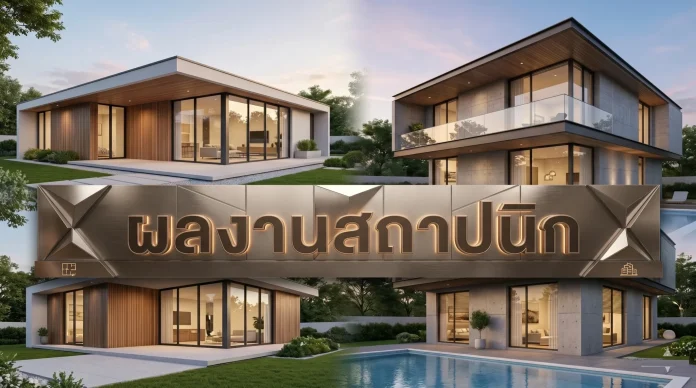
When we observe the modern creative landscape, it is easy to view artistic disciplines through isolated lenses. We often categorize urban design under engineering, physical manufacturing under industrial trade, and cinematic media under commercial entertainment. Yet, when we step back and analyze how human beings perceive their surroundings, we discover that all these fields share a singular, foundational goal: to manipulate space, structure, and light in ways that evoke a deep emotional response.
In Japanese creative traditions, this holistic approach to design is deeply ingrained. The principles governing the flow of a large physical room are remarkably similar to those used when sculpting a miniature art figure or lighting a film set. By examining the common grammar across these diverse mediums, we can better understand how thoughtful design elevates simple materials into profound visual and sensory experiences.
1. Spatial Memory: Constructing Environments that Resonate
The environments we inhabit do far more than provide physical shelter; they directly shape our subconscious feelings, focus, and sense of well-being. The proportion of a room, the height of its ceiling, and the angle at which natural light enters an interior space all contribute to a specific psychological mood.
When an experienced architect sits down to design a new building, their ultimate challenge extends beyond calculating structural support or organizing functional zones. They are designing a sequential journey for the human senses. Key elements that define this spatial experience include:
- Volumetric Hierarchy: Utilizing variations in ceiling height to guide emotional focus—soaring open ceilings encourage creative expansion, while lower, enclosed volumes foster intimacy and deep concentration.
- Sequential Thresholds: Creating deliberate transitional spaces, such as recessed entries or softly lit corridors, that allow occupants to mentally reset as they move from external public noise into quiet indoor sanctuaries.
- Tactile Materiality: Combining contrasting surfaces like raw concrete, warm untreated timber, and smooth glass to engage the sense of touch along with visual perception.
This approach aligns closely with traditional Japanese spatial philosophies, particularly the concept of Ma—the intentional curation of negative space. An unadorned room or empty corner is not viewed as wasted area; instead, the open volume allows sunlight, air currents, and changing shadows to become active elements of the overall atmosphere.
2. Micro-Engineering: Translating Human Form into Scaled Sculpture
While large-scale structural design governs how human bodies navigate physical environments, high-precision figure sculpture focuses on how the human eye registers fine detail up close. The human brain is exceptionally perceptive when looking at organic forms, meaning that even the slightest flaw in balance, posture, or material reflection can break the illusion of realism.
Consider, for instance, the intense craftsmanship involved in producing a high-end collectible from platforms like doll japan or specialized miniature art studios. Transforming a flat character illustration into a balanced, three-dimensional physical sculpture requires a rare combination of fine art skill, anatomical knowledge, and polymer chemistry.
Key Technical Phases of Miniature Fabrication
Stage
Specialized Field
Technical Objective
Anatomical Modeling
Digital & Physical Sculpting
Establishing natural body posture and dynamic center of gravity
Tooling & Parting
Precision Steel Mold Design
Engineering complex figures into distinct parts for flawless casting
Polymer Formulation
Material Chemistry
Formulating high-grade synthetic resins that capture sub-millimeter details
Surface Staging
Multi-Layer Airbrushing
Applying gradual color shifts to recreate the realistic diffusion of light
Master sculptors face structural challenges that directly mirror those found in physical building construction. A dynamic figure posing on a small display base must have its internal weight distributed perfectly to avoid physical sagging over extended periods. Furthermore, sculptors must calculate how ambient room light interacts with the surface. By using semi-translucent polymer resins, light absorbs and scatters slightly beneath the surface, giving the physical piece a soft, lifelike warmth.
3. Visual Staging: Engineering Depth and Intimacy on Screen
Translating three-dimensional physical presence onto a flat two-dimensional screen presents its own unique set of artistic hurdles. A camera lens naturally flattens spatial depth, alters perspective, and distorts natural lighting setups. Therefore, filmmakers and production designers must artificially reconstruct space to create a convincing visual atmosphere.
In contemporary Japanese entertainment production, spanning mainstream dramatic television, high-concept cinema, and the specialized commercial av industry, set design and lighting layout are central to holding viewer engagement. Production design teams do not simply place cameras in front of actors; they systematically engineer foreground props, background lighting, and actor positioning to build an immersive visual world.
Core Visual Staging Principles
- Framing Within Frames: Utilizing structural features like open doorways, sliding panels, or furniture edges in the foreground to create a strong sense of visual distance.
- Chiaroscuro Depth: Balancing soft primary key lights against deep, subtle shadows to highlight physical volume and contours, giving video scenes a tactile, three-dimensional presence.
- Color Temperature Separation: Using warm light sources on primary subjects while bathing background elements in cool ambient tones to establish natural depth and focus.
When these staging principles are applied correctly, the display screen ceases to feel like a flat glass plane. Viewers feel as though they are looking through an open window into a real, physical space, demonstrating how light and framing can elevate visual media into an art form.
4. The Digital Convergence: Bridging Physical and Virtual Workflows
As we navigate deeper into the late 2020s, the once-rigid boundaries separating physical building design, industrial figure sculpting, and cinematic production are dissolving at an unprecedented rate. Creative professionals today share a unified digital toolkit that allows ideas to flow seamlessly between physical and virtual spaces.
This digital crossover has revolutionized several creative fields:
- Physically Based Rendering (PBR): Lighting engines can now model individual light rays as they reflect off virtual materials, allowing environmental planners to test natural lighting conditions long before physical construction begins.
- High-Resolution Additive Manufacturing: Industrial-grade 3D printing enables sculptors to take complex digital files and convert them into physical resin prototypes with sub-micron detail within hours.
- Virtual Set Integration: Production studios can now film live subjects against high-definition LED backgrounds that dynamically adjust perspective and lighting in real time as the camera moves.
This rapid technological progress does not lessen the importance of traditional artistic discipline. An artist who understands real-world materials, structural balance, and natural light will always create vastly superior work compared to someone relying strictly on automated tools. The technology may change, but the core fundamentals of composition, proportion, and human scale remain eternal.
5. The Enduring Value of True Craftsmanship
Why do human beings continue to invest so much effort into perfecting the details of built spaces, physical art pieces, and staged visual media? The answer lies in our deeply rooted desire for order, beauty, and authentic emotional expression.
In a fast-paced digital world overflowing with low-effort, temporary content, things crafted with genuine discipline offer an invaluable sense of permanence and quality. When we step into a beautifully designed room or hold a finely crafted art object, we naturally respond to several key qualities:
- Intentionality: Knowing that every light source, surface texture, and geometric line was placed with a clear purpose.
- Proportion: The subconscious comfort derived from viewing geometric relationships that mirror natural scales and visual rhythms.
- Tactility: The simple human pleasure of touching high-grade materials, whether smooth polished timber or dense, soft-touch synthetic polymer.
Final Thoughts: Seeing the Universal Thread in Daily Life
At first glance, a modern high-rise building, an intricate collectible figure on a display shelf, and a carefully lit video scene might seem to have nothing in common. Yet, when we look beneath the surface, we see that they are all branches of the same creative tree.
Architects, sculptors, and film directors are all ultimately manipulating the same fundamental elements: space, form, light, and human emotion. By training ourselves to see these common threads, we develop a far richer appreciation for the constructed world around us. We begin to realize that great design is not just about aesthetics—it is about turning simple materials and visual moments into meaningful human experiences.