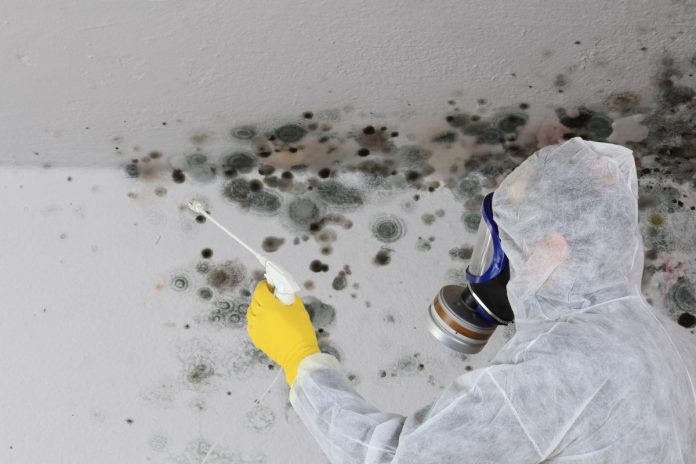
Pinellas Park is known for its central location, busy roadways, and quick access to surrounding cities. While traffic and urban activity are part of normal life here, they also influence the quality of air that enters homes. Air pollution, exhaust particles, and roadway dust don’t just affect outdoor conditions—they can also impact indoor moisture and airflow in subtle ways. This makes Mold Testing Pinellas Park FL an important consideration for residents who want to understand how their environment may be contributing to mold concerns.
How Air Pollution Interacts With Indoor Moisture
Pollutants and fine particles from high-traffic areas settle on exterior walls, window screens, and HVAC components. When moisture from rain or humidity interacts with these particles, they become sticky and hold dampness longer. Over time, this residue can cling to surfaces such as:
- Window frames
- Vent covers
- Door thresholds
- Exterior siding
- Indoor air filters
Moisture trapped by pollutants creates micro-environments where mold can begin to form, even if the overall home seems dry.
Impact of Busy Roadways on Ventilation
Homes near major roads often keep windows closed more frequently to reduce noise and outdoor pollutants. While this improves comfort, it also restricts natural airflow, allowing humidity to accumulate indoors. Without regular ventilation, everyday activities such as cooking, showering, and laundry can significantly raise indoor moisture levels.
Pinellas Park’s warm climate amplifies this effect, as air conditioning systems work continuously, and any inefficiencies in airflow can cause damp pockets to develop in certain rooms.
Why Mold Testing Helps in Urban Neighborhoods
Mold doesn’t always develop in obvious places. In urban environments, it often appears in areas where pollutants, moisture, and restricted airflow overlap. Mold testing can reveal elevated spore levels that aren’t visible to the eye, and it helps identify patterns related to:
- Air quality differences between indoor and outdoor environments
- Moisture buildup in unexpected locations
- HVAC systems that may be circulating pollutants and spores
- Areas where ventilation may be inadequate
For homes near roadways or commercial zones, these insights provide valuable clarity.
Common Indoor Spots Affected by Airborne Pollutants
Certain areas within Pinellas Park homes tend to be more affected by pollution-related moisture retention. These include:
- Rooms facing major streets
- Laundry spaces connected to exterior walls
- Entryways exposed to outdoor air
- AC closets and return vents
- Older windows that collect condensation
Because these areas aren’t the first places homeowners inspect, mold issues may develop quietly.
Supporting a Healthier Indoor Environment
Urban environments bring unique challenges, but understanding how air pollution influences moisture can help homeowners take preventive steps. Mold testing provides a scientific look at whether indoor air quality or airflow patterns are contributing to mold growth.
By combining awareness of outdoor conditions with regular indoor assessments, Pinellas Park residents can maintain homes that stay comfortable, dry, and structurally protected over time.