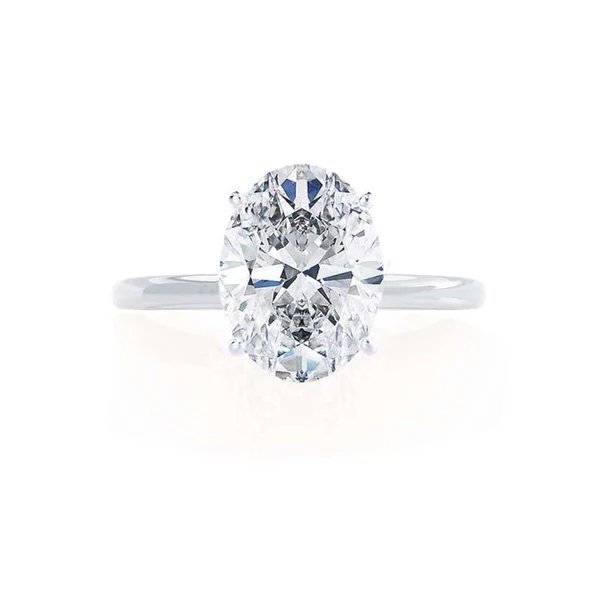
Polished minimalism has secured its place at the forefront of contemporary style, and its enduring influence can be seen across runways, streetwear, and luxury branding. In today’s landscape of fast trends and constant visual noise, many consumers are turning toward cleaner lines and refined simplicity. Brands such as lily arkwright reflect this shift, showcasing how a focus on quality and elegant restraint can resonate deeply with modern shoppers. This movement is not about stripping away personality but rather about elevating essentials that highlight craftsmanship and thoughtful design.
At its core, polished minimalism represents a response to fashion overload. For decades, the industry has cycled through increasingly louder aesthetics, often pushing maximalist patterns, experimental silhouettes and bold colors. While these trends still hold space in many wardrobes, a growing number of individuals crave balance. Polished minimalism fills that need by creating room for streamlined outfits that communicate confidence without overwhelming the wearer. This approach places emphasis on proportion, fit and materials. Instead of relying on heavy embellishment or complicated layering, minimalist pieces achieve impact through clarity and cohesion.
The continued appeal of polished minimalism also stems from its versatility. A wardrobe built on refined basics transitions seamlessly between settings. Clean trousers can move from office to evening with a simple change of footwear. A tailored coat pairs with casual denim or formal attire. Neutral palettes merge effortlessly, reducing the need for excess items and encouraging a more intentional approach to consumption. This versatility makes polished minimalism a practical choice for people seeking longevity from their wardrobe.
Sustainability plays a significant role in the rise of this aesthetic. As consumers become more aware of environmental impacts, many reconsider the role of disposable fashion. Rather than cycling through seasonal fads, polished minimalism encourages investment in fewer items that maintain their relevance. High quality fabrics, durable construction and timeless silhouettes support a wardrobe that withstands wear and evolving trends. This long term mindset aligns with growing interest in ethical production and conscious consumer habits.
Another reason polished minimalism remains a leading fashion choice is its emotional impact. Clothing influences how individuals feel and express themselves. Minimalist fashion provides calmness and clarity in a world often cluttered with distraction. When an outfit is thoughtfully curated and free from unnecessary excess, it can instill a sense of order. Many people find confidence in this simplicity, recognizing that restraint can be just as expressive as vibrancy.
Designers have also embraced polished minimalism for its creative potential. Working with clean lines challenges them to focus on silhouette, texture and subtle detail rather than ornamentation. This approach highlights the artistry behind seams, drape and fabric movement. It encourages exploration of architectural shapes and modern tailoring that redefine what simple clothing can achieve. As a result, collections grounded in minimalism often feel fresh despite their understated nature.
Digital culture further amplifies the relevance of polished minimalism. In an era where social media rewards instantly readable aesthetics, clean and cohesive looks stand out. Minimalist outfits photograph well, align with contemporary visual branding and support the curated digital personas many users cultivate. Influencers, stylists and brands contribute to the ongoing popularity of this aesthetic by presenting it as both aspirational and accessible.
Ultimately, polished minimalism endures because it aligns with how many people want to live. It supports functionality, embraces sustainability, celebrates craftsmanship and eases decision making. As fashion continues to evolve, its timeless nature ensures that simple, well made pieces will always have a place in closets around the world.