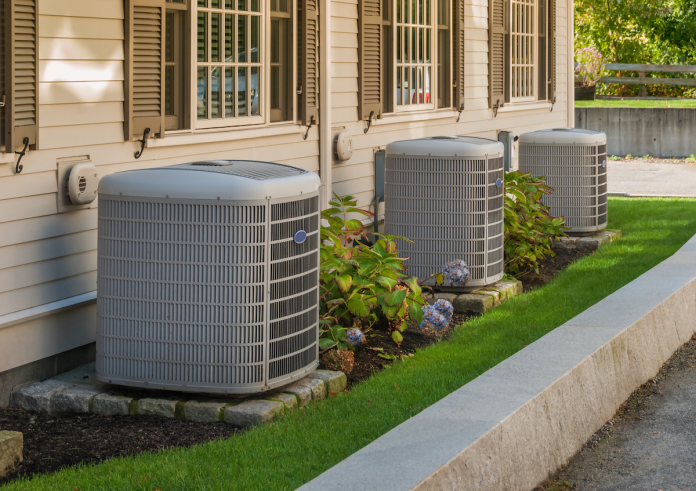
Keeping your home comfortable throughout the year means having a reliable heating and cooling system. Whether it’s hot summers or cold winters, your heating and cooling systems should be in top shape to provide the comfort you need.
However, many people overlook the importance of regular maintenance and smart upgrades. In this article, we’ll share five major tips to help you improve your residential heating and cooling systems.
1. Regular Maintenance is Key
One of the most important steps in keeping residential heating and cooling systems running smoothly is regular maintenance. Just like any other appliance, your HVAC system needs care and attention to perform at its best.
Make sure to schedule professional inspections and maintenance checks at least once a year. A technician will check for any wear and tear, clean the filters, and ensure that all parts are working properly.
2. Upgrade to Energy-Efficient Systems
Energy-efficient systems are designed to consume less energy while still providing the same level of comfort. By upgrading to an energy-efficient furnace or air conditioner, you can lower your energy bills significantly.
Newer models are built with advanced technology that reduces energy consumption, and they may even qualify for tax credits or rebates. Installing a more energy-efficient system is an investment that pays off in the long run.
3. Install Programmable Thermostats
Another great way to improve your heating and cooling systems is by installing a programmable thermostat. This device allows you to set your home’s temperature based on your schedule.
For example, you can program the thermostat to turn the heat down when you’re at work and then heat it back up before you come home. This prevents your system from running constantly, which reduces energy usage and lowers your heating and cooling costs.
4. Consider a New Boiler Installation
If your home still relies on an old, inefficient boiler, it might be time to consider a new installation. Older boilers often use more energy and require more maintenance than newer, more efficient models. A new boiler installation can dramatically improve your home’s heating efficiency and reduce the risk of unexpected breakdowns.
Modern boilers are designed to be more compact, efficient, and environmentally friendly, making them a great choice for homeowners looking to upgrade.
5. Seal Gaps and Insulate Your Home
Heating and cooling your home can be much harder if there are gaps and leaks in your walls, windows, or doors. These gaps allow warm or cool air to escape, forcing your system to work harder.
Sealing these gaps and adding insulation to your home will keep your indoor temperature stable and reduce energy consumption. Proper insulation helps maintain the temperature inside, reducing the need for your heating and cooling system to run constantly.
Conclusion
Improving your residential heating and cooling systems doesn’t have to be complicated or expensive. By following these five tips you can ensure your home stays comfortable without wasting energy.
These improvements not only help you save money on energy bills but also contribute to a healthier environment. Make these changes today, and you’ll enjoy a more efficient and cost-effective home climate system.