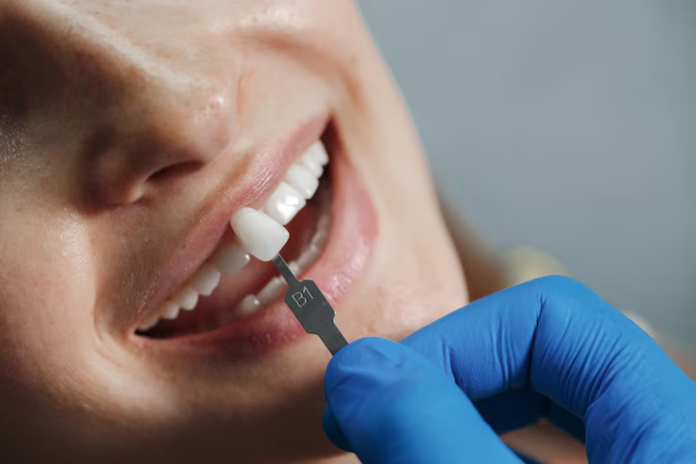
Optimal oral health extends far beyond just a bright smile; it’s a critical component of your overall well-being. The state of your teeth and gums can impact your ability to eat, speak, and even affect your systemic health.
Neglecting oral hygiene can lead to a host of problems, from painful cavities to serious gum disease and beyond.
Embracing a proactive approach to caring for your mouth is an investment that pays dividends in comfort, confidence, and general health. This article provides essential tips to help you achieve and maintain superior oral health.
Master the Art of Brushing
The foundation of excellent oral hygiene lies in effective brushing. Aim for at least two minutes, twice a day, using a soft-bristled toothbrush and fluoride toothpaste.
Don’t just scrub; use gentle, short strokes, angling the bristles at 45 degrees toward the gum line. Ensure you reach all surfaces – the outer, inner, and chewing surfaces of each tooth.
Electric toothbrushes can be particularly effective, often featuring timers to ensure you brush for the recommended duration.
Embrace Daily Flossing
Brushing alone simply isn’t enough. Flossing is indispensable for removing plaque and food particles from between your teeth and beneath the gum line, areas your toothbrush cannot reach. Make it a non-negotiable daily habit.
Use about 18 inches of floss, wrapping most around your middle fingers, and gently guide it between your teeth, curving it into a “C” shape against each tooth. This crucial step prevents plaque buildup that leads to cavities and gum inflammation.
Mind Your Diet and Hydration
Your diet plays a significant role in your oral health. Limit sugary snacks and drinks, as they fuel bacteria that produce enamel-eroding acids. Acidic foods and beverages can also directly wear down your tooth enamel. Instead, opt for a balanced diet rich in fruits, vegetables, lean proteins, and dairy.
Staying well-hydrated with water is equally important, as it helps wash away food particles and stimulates saliva production, a natural defense against decay.
Don’t Skip Regular Dental Check-ups
Professional dental care is an essential partner in your oral health journey. Regular check-ups and cleanings, typically every six months, allow your dentist to remove hardened plaque (calculus) that cannot be eliminated by home care.
These visits also enable early detection of potential issues like cavities, gum disease, or oral cancer, often before you even notice symptoms. Early intervention can prevent minor problems from escalating into major ones.
Preventive Dental Treatment for Long-Term Health
Focusing on preventive dental treatments is key to avoiding more extensive and costly procedures in the future. Beyond regular cleanings, this includes treatments like fluoride applications, which strengthen tooth enamel, and dental sealants, which protect the chewing surfaces of back teeth from decay.
Your dentist might also offer advice on lifestyle changes or specific oral hygiene techniques tailored to your needs. Embracing preventive dental treatment is an investment in the longevity of your smile and overall health.
Considering Dental Implants for Missing Teeth
Losing a tooth can impact chewing ability, speech, and even jawbone health. For those with missing teeth, dental implants offer a robust and long-lasting solution. These small, titanium posts are surgically placed into the jawbone, acting as sturdy roots for replacement teeth, typically crowns.
Dental implants provide a highly natural look and feel, integrate seamlessly with the jawbone, and prevent bone loss that can occur when teeth are missing. They represent a significant advancement in restorative dentistry.